How to Properly Make and Store Sushi
Posted: Jan. 30, 2026
Sushi is a delicate and flavorful dish that combines fresh ingredients, precise techniques, and careful handling. Whether you're a beginner or an experienced home chef, learning how to properly prepare and store sushi ensures the best taste, texture, and food safety. This guide will walk you through everything you need to know.
Ingredients You’ll Need
Sushi Rice
- Japanese short-grain rice
- Rice vinegar
- Sugar
- Salt
Fillings & Toppings
- Fresh sushi-grade fish (salmon, tuna, etc.)
- Imitation crab or real crab meat
- Fresh vegetables (cucumber, avocado, carrot)
- Nori sheets (seaweed)
Optional Add-ons
- Soy sauce
- Wasabi
- Pickled ginger
How to Properly Make Sushi
Step 1. Prepare the Rice
- Rinse rice thoroughly until water runs clear.
- Cook rice according to package instructions.
- While hot, gently mix in a blend of rice vinegar, sugar, and salt.
- Let the rice cool to room temperature — do not refrigerate.
Step 2. Prepare Your Ingredients
- Slice fish into thin, even strips.
- Cut vegetables into long, thin pieces.
- Keep raw fish chilled until ready to use.
Step 3. Assemble the Sushi Rolls
- Place a bamboo mat on a clean surface.
- Lay a sheet of nori shiny-side down.
- Spread rice evenly, leaving a small border at the top.
- Add fillings in a straight line.
- Roll tightly using gentle pressure.
- Slice into bite-sized pieces using a sharp, wet knife.
Step 4. Serve Immediately
Fresh sushi tastes best when eaten shortly after preparation.
How to Properly Store Sushi
Short-Term Storage (Same Day Only)
- Wrap sushi tightly in plastic wrap.
- Store in an airtight container.
- Refrigerate at ≤ 40°F (4°C).
- Consume within 24 hours.
Raw fish sushi should ideally be eaten within 12 hours.
What NOT to Store
- Sushi with raw fish for multiple days
- Sushi with mayonnaise-based sauces
- Sushi left at room temperature for more than 2 hours
Can You Freeze Sushi?
Freezing sushi is not recommended, especially if it contains raw fish or vegetables. Freezing changes texture and flavor significantly.
Food Safety Tips
- Always use sushi-grade fish.
- Keep raw ingredients chilled.
- Wash hands and utensils thoroughly.
- Use separate cutting boards for fish and vegetables.
- Discard sushi that smells sour or looks slimy.
Best Types of Sushi for Storage
If you plan to store sushi, these types hold up best:
- Vegetarian rolls
- California rolls
- Cooked fish rolls (shrimp tempura, eel)
Making sushi at home can be a rewarding and delicious experience. By following proper preparation and storage techniques, you can enjoy fresh, safe, and flavorful sushi every time. Take your time, use quality ingredients, and most importantly — have fun!
Read more!
 @alxlynnhd

We Tried Bachan's Japanese Style BBQ So You Don't Have To.
If you’ve walked through Costco, Target, or scrolled food TikTok, you’ve probably seen the bright…
Topic: Food
@alxlynnhd
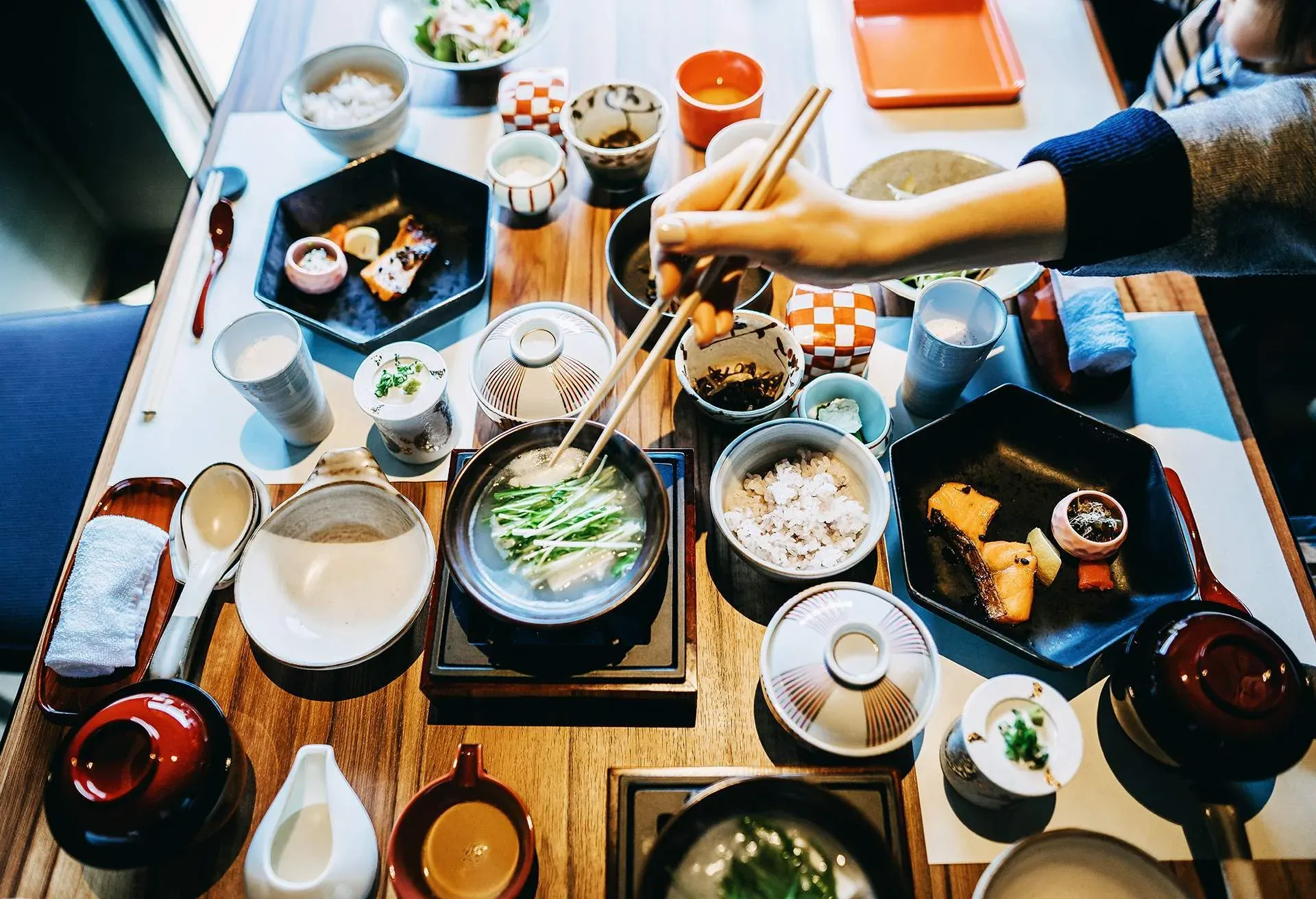
The Real Reason Why Japanese Food Is So Delicious
When people think of Japanese food, images of beautifully plated sushi, comforting bowls of ramen…
Topic: Food
@alxlynnhd

Japanese Convenience Store Foods You Absolutely Must Try
When people think of convenience store food, they often imagine bland snacks and microwaved meals…
Topic: Food
@alxlynnhd
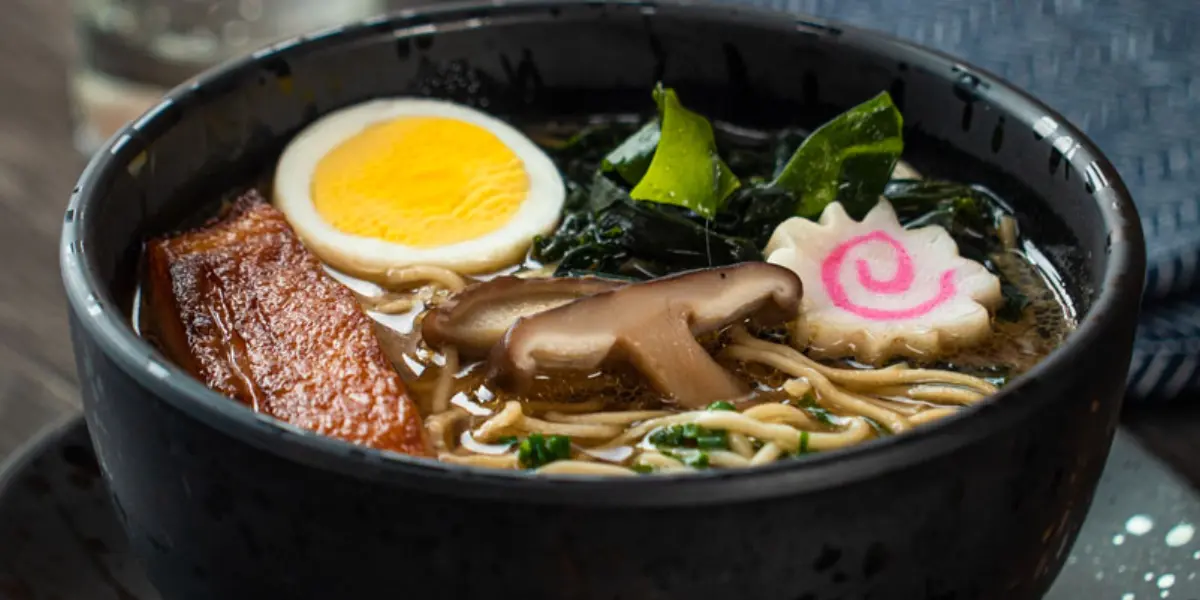
Tips for Adding Even More Umami to Your Ramen
Ramen is already famous for its deep, savory flavors, but sometimes you want to take things to the…
Topic: Food
@alxlynnhd
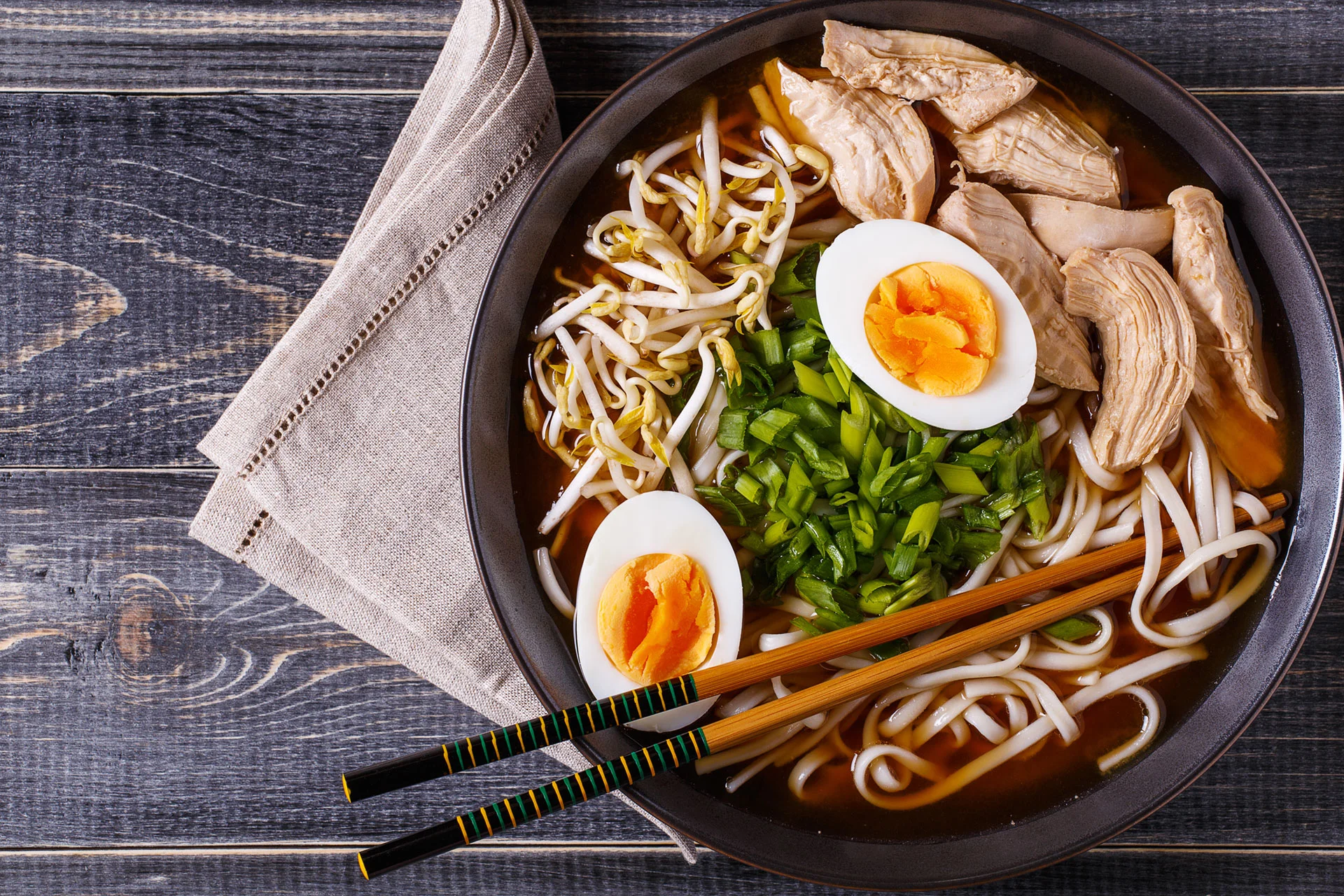
Let's learn how to make authentic Japanese cuisine.
Japanese cuisine is celebrated worldwide for its elegance, simplicity, and deep respect for natural…
Topic: Food
@alxlynnhd
How to make Japanese kimchi at home
Kimchi is most commonly associated with Korean cuisine, but in Japan it has its own unique…
Topic: Food