The Real Reason Why Japanese Food Is So Delicious
Posted: Feb. 11, 2026
When people think of Japanese food, images of beautifully plated sushi, comforting bowls of ramen, and crispy tempura often come to mind. But the truth is, Japanese cuisine is about much more than visual appeal. Its incredible flavor comes from centuries of tradition, deep cultural values, and a relentless pursuit of balance and perfection.
So what’s the real reason Japanese food tastes so good? Let’s explore the secrets behind its unforgettable deliciousness.
1. Deep Respect for Ingredients
At the heart of Japanese cooking is respect for natural ingredients. Instead of masking flavors with heavy sauces or spices, Japanese chefs focus on enhancing what’s already there.
Seasonal ingredients are prized, and freshness is non-negotiable. Fish is often prepared the same day it’s caught, vegetables are chosen at peak ripeness, and even rice is carefully selected and washed to achieve perfect texture.
The goal is simple: let the ingredient speak for itself.
2. The Power of Umami
One of Japan’s greatest contributions to the culinary world is the discovery of umami, known as the fifth taste.
Umami is that rich, savory depth found in foods like:
- Dashi (kelp and bonito broth)
- Soy sauce
- Miso
- Seaweed
- Mushrooms
Instead of overwhelming the palate, umami adds complexity and satisfaction, making each bite deeply comforting and addictive.
3. Mastery of Simplicity
Japanese food often looks simple, but that simplicity is deceptive.
Many dishes use only a few ingredients, which means there’s nowhere to hide mistakes. Each element must be prepared perfectly — from knife technique to cooking time to seasoning balance.
This minimalist approach creates clean, pure flavors that feel light, satisfying, and never heavy.
4. Centuries of Culinary Tradition
Japanese cooking methods have been refined over hundreds of years. Recipes and techniques are passed down through generations, with chefs spending decades mastering just one craft — such as sushi, ramen, or soba.
This dedication to perfection ensures consistent quality and deeply refined flavors that are hard to replicate elsewhere.
5. Attention to Texture
In Japanese cuisine, texture is just as important as taste.
Meals are carefully designed to include contrasts like:
- Crispy and soft
- Chewy and tender
- Hot and cold
This attention to mouthfeel makes every bite interesting, engaging, and satisfying.
6. Visual Beauty Enhances Flavor
The saying “we eat with our eyes first” is taken seriously in Japan.
Color, balance, and presentation are essential parts of every meal. Beautiful plating heightens anticipation and enhances perceived taste, making food feel even more delicious before the first bite.
7. Cultural Values Around Food
In Japan, food is treated with deep respect and gratitude.
The phrase “itadakimasu” (said before eating) expresses appreciation for everyone involved in the meal — farmers, fishermen, chefs, and nature itself. This mindset encourages mindfulness, care, and pride in preparation.
8. Extreme Attention to Detail
From hand-picking fish at dawn markets to perfecting broth that simmers for days, Japanese cooking is driven by obsession-level attention to detail.
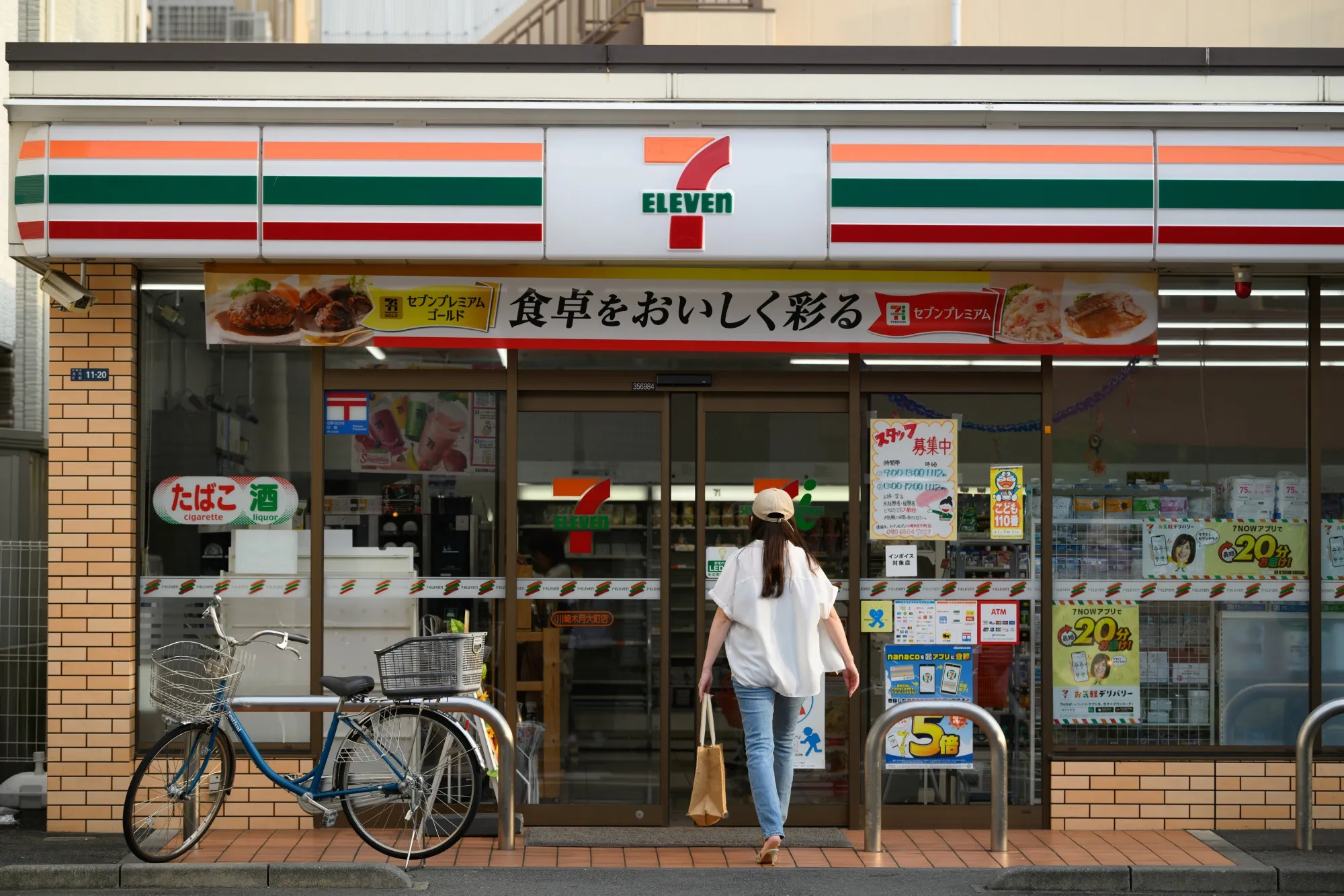
Even fast food and convenience store meals often exceed global quality standards because of this relentless pursuit of excellence.
9. Balance Over Excess
Japanese food rarely feels heavy or greasy.
Instead of large portions and rich sauces, meals focus on balance — between flavors, nutrients, and cooking methods. This makes meals satisfying without leaving you sluggish.
10. Emotional Comfort
Finally, Japanese food doesn’t just taste good — it feels good.
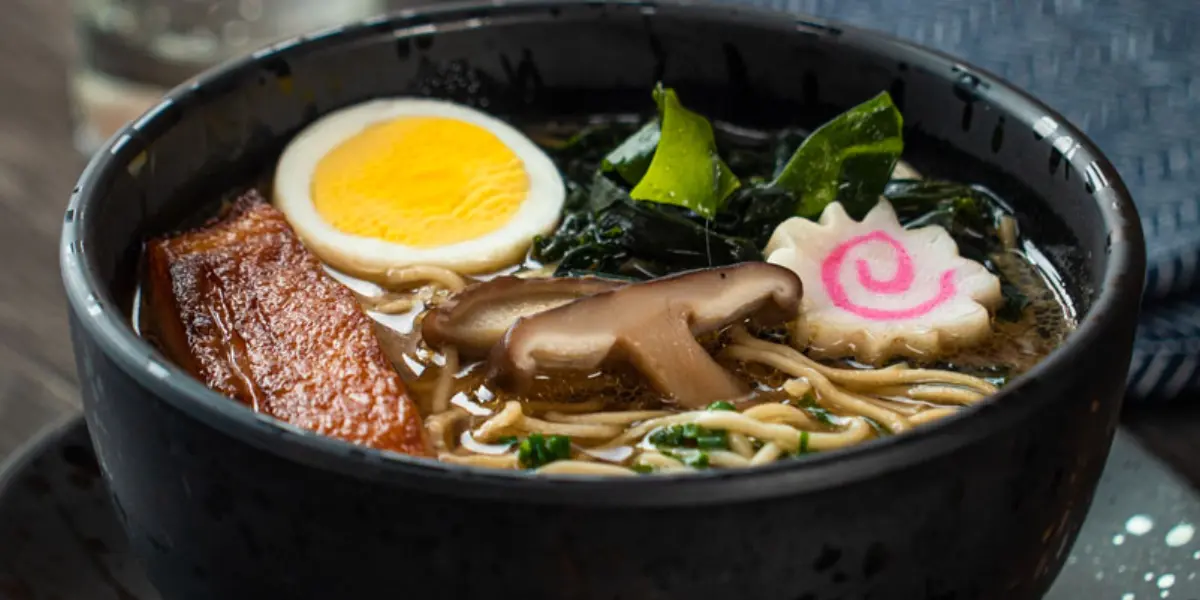
Warm bowls of ramen, comforting miso soup, fluffy rice, and gentle broths provide emotional comfort, nostalgia, and warmth, making meals deeply fulfilling on both physical and emotional levels.
The real reason Japanese food is so delicious isn’t a single ingredient or technique — it’s a philosophy.
It’s about respect for nature, mastery of simplicity, devotion to craftsmanship, and the pursuit of harmony. Every meal reflects centuries of refinement, cultural pride, and deep appreciation for food.
And that’s why Japanese cuisine doesn’t just satisfy hunger — it creates unforgettable experiences.
Read more!
 @alxlynnhd

We Tried Bachan's Japanese Style BBQ So You Don't Have To.
If you’ve walked through Costco, Target, or scrolled food TikTok, you’ve probably seen the bright…
Topic: Food
@alxlynnhd
Japanese Convenience Store Foods You Absolutely Must Try
When people think of convenience store food, they often imagine bland snacks and microwaved meals…
Topic: Food
@alxlynnhd
Tips for Adding Even More Umami to Your Ramen
Ramen is already famous for its deep, savory flavors, but sometimes you want to take things to the…
Topic: Food
@alxlynnhd
Let's learn how to make authentic Japanese cuisine.
Japanese cuisine is celebrated worldwide for its elegance, simplicity, and deep respect for natural…
Topic: Food
@alxlynnhd
How to Properly Make and Store Sushi
Sushi is a delicate and flavorful dish that combines fresh ingredients, precise techniques, and…
Topic: Food
@alxlynnhd
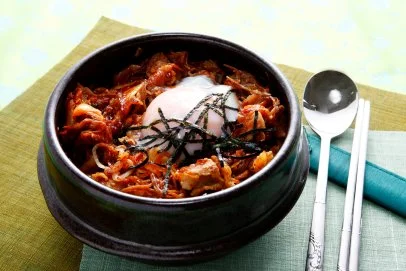
How to make Japanese kimchi at home
Kimchi is most commonly associated with Korean cuisine, but in Japan it has its own unique…
Topic: Food